
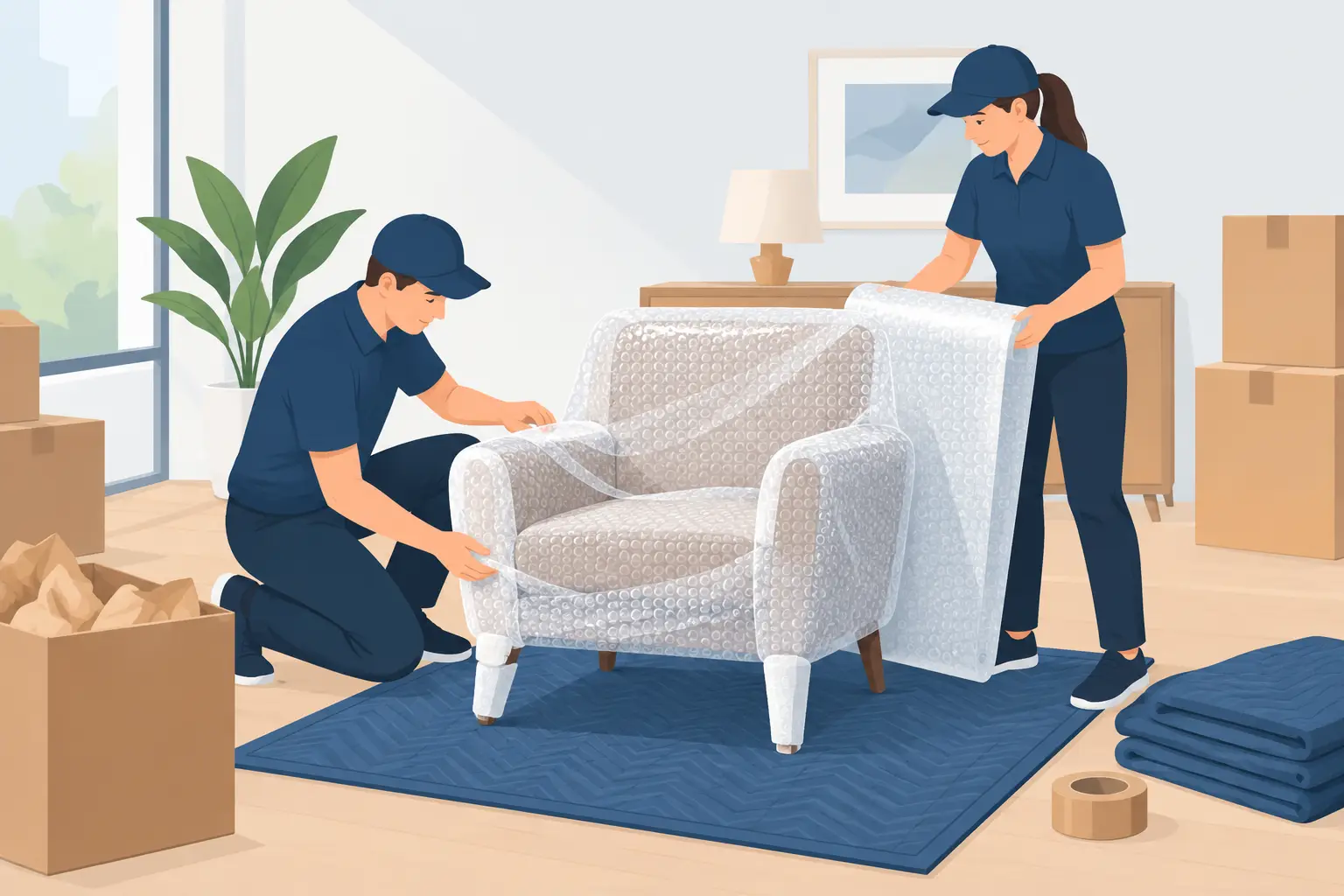
A glass-top dining table, a carved wooden chair, or a mirrored cabinet can turn an otherwise simple move into an expensive problem if it is packed in a hurry. Knowing how to pack fragile furniture means protecting weak points before the truck arrives, not trying to fix damage after unloading.
The right approach depends on the item, the distance, and access at both properties. A short apartment move may need less protection than an intercity relocation, but glass, mirrors, polished wood, and delicate joints still require careful handling. Start early, use the correct materials, and treat every piece as if it may be stacked, tilted, or moved through a narrow doorway.
Assess Each Piece Before You Pack
Do not wrap everything the same way. Walk through each room and identify furniture with breakable surfaces, loose parts, fine finishes, or structural weak points. Glass tables, display cabinets, mirrors, marble tops, antique pieces, upholstered chairs, and furniture with thin legs need extra planning.
Take photos before packing, especially for valuable furniture. They provide a useful condition record and make reassembly easier. Then check for existing cracks, loose screws, damaged corners, or unstable legs. A small weakness can become a complete break when a piece is lifted or secured inside a moving truck.
Measure large items and note any tight turns, elevators, staircases, and door frames. Sometimes the safest option is to remove doors, take off legs, or separate a tabletop from its base. Forcing a fully assembled piece through a narrow space risks damaging both the furniture and the property.
Gather Materials That Actually Protect Furniture
Old blankets and a few rolls of tape are rarely enough for fragile pieces. Use clean, dry packing materials that cushion surfaces without leaving residue. For a typical household move, keep these supplies ready:
- Furniture pads or thick moving blankets
- Bubble wrap for glass, mirrors, and detailed surfaces
- Stretch wrap to hold padding in place
- Corrugated cardboard sheets and corner protectors
- Packing paper for small removable parts
- Strong moving boxes, tape, labels, and resealable bags
Avoid placing adhesive tape directly on polished wood, leather, fabric, or painted finishes. Heat can make tape residue harder to remove, and pulling it off may lift paint or damage a delicate surface. Instead, secure blankets with stretch wrap around the padding, not tightly against the furniture itself.
How to Pack Fragile Furniture by Material
Glass tabletops, mirrors, and display panels
Glass should be removed from its frame or base whenever possible. Wrap the entire surface in packing paper first, then add bubble wrap and protect all edges with cardboard corners. For larger pieces, sandwich the wrapped glass between two rigid cardboard sheets or use a purpose-built mirror box.
Mark every package clearly as “FRAGILE – GLASS” and keep it upright during transport. Never lay a large mirror or glass tabletop flat under other items. Flat placement puts pressure across the surface and makes cracking more likely, especially when the vehicle moves over uneven roads.
For a dining table with a glass top, pack the glass and base separately. Wrap the base with moving blankets, paying close attention to corners and decorative edges. Label the hardware bag and tape it to a protected section of the base, not directly onto exposed wood or metal.
Wooden furniture and polished finishes
Wood can scratch, dent, warp, or chip even when it does not look especially delicate. Empty drawers, shelves, and cabinets first. Loose contents add weight and can shift during lifting. Remove shelves if they are detachable, wrap them separately, and label where they belong.
Cover the wood with a clean furniture pad. Use cardboard on sharp corners and along exposed edges, then secure the padding with stretch wrap. Do not wrap damp wood, and do not store wrapped furniture in a humid area for longer than necessary. Moisture trapped beneath plastic can affect finishes and cause swelling in certain materials.
For dressers and cabinets, drawers may stay in place if they are empty and secure. However, remove them if the item is very heavy, the drawer slides are weak, or the furniture must be carried down stairs. This reduces strain on the frame and makes the piece safer for movers to handle.
Chairs, tables, and furniture with delicate legs
Legs are one of the most common furniture break points. If they can be removed safely, take them off and pack them as separate pieces. Wrap each leg individually, then group matching parts together. Keep screws, bolts, washers, and brackets in a labeled bag.
If removal is not possible, wrap each leg with bubble wrap or foam, then cover the full item with a padded moving blanket. Never drag chairs or tables across tile, concrete, or loading ramps. Lift from the strongest part of the frame, not from arms, rails, handles, or decorative trim.
For dining chairs, protect the backrest, seat corners, and legs. Stack only when the chair design allows it and use padding between each chair. A stack saves space, but it is not worth the risk if one chair can press into another’s upholstery or frame.
Upholstered and leather furniture
Sofas, armchairs, and padded headboards need protection from tears, stains, and moisture. Vacuum fabric surfaces first and allow them to dry completely if they have been cleaned. Cover them with furniture pads, then use stretch wrap on the outside to keep the pads secure.
Do not place plastic wrap directly against leather for long storage periods, particularly in warm conditions. Leather needs to breathe, and trapped heat or moisture can affect its finish. Use a breathable protective layer under the outer wrap when possible.
Disassemble Only When It Reduces Risk
Disassembly is helpful when it makes a piece lighter, smaller, or less exposed. Bed frames, dining tables, shelving units, office desks, and modular cabinets are often safer to move in sections. But do not dismantle an antique or complicated item unless you understand how it was built. Some older furniture relies on glued joints or delicate fittings that can loosen during disassembly.
Work methodically. Take photos at each stage, place hardware in labeled bags, and write the room and furniture name on every package. Keep all hardware together in one clearly marked box if there are many items. Missing a small bracket can delay setup at the new home or office.
Load Fragile Furniture in the Right Order
Good packing can still fail if loading is careless. Fragile furniture should be loaded after heavy, stable items have been positioned to create a secure base. It should never support boxes, appliances, or bulky furniture.
Place padded furniture upright where possible and secure it to the truck wall using moving straps. Fill open spaces with soft items, blankets, or properly packed boxes so pieces cannot slide during braking or turns. Do not over-tighten straps around delicate frames, glass panels, or thin wooden rails.
Keep glass and mirrors vertical, separated from one another, and away from direct contact with metal equipment. If a piece cannot be safely secured, it should be repacked before the vehicle leaves. A few extra minutes at loading is far better than discovering a cracked panel at delivery.
When Professional Packing Is the Better Choice
DIY packing works well for simple, sturdy items when you have time, proper materials, and enough help to lift safely. Professional packing is often the better choice for large mirrors, marble tables, antiques, oversized cabinets, office furniture, and pieces that need to move through difficult access points.
Trained movers use furniture pads, protective wrapping, lifting methods, and vehicle securing systems every day. They can also coordinate disassembly, reassembly, transport, storage, and optional transit insurance based on the move. For residents and businesses with a fixed moving date, this support can reduce both damage risk and last-minute stress.
Quick Movers & Packers can provide packing support for apartment, villa, office, and commercial moves across the UAE, with trained teams that handle fragile items carefully from collection through placement.
Before moving day, do one final check: confirm that every glass piece is labeled, every loose part is packed, and every padded item is ready to be lifted from a strong point. Careful preparation gives fragile furniture its best chance of arriving ready to use in its new space.