
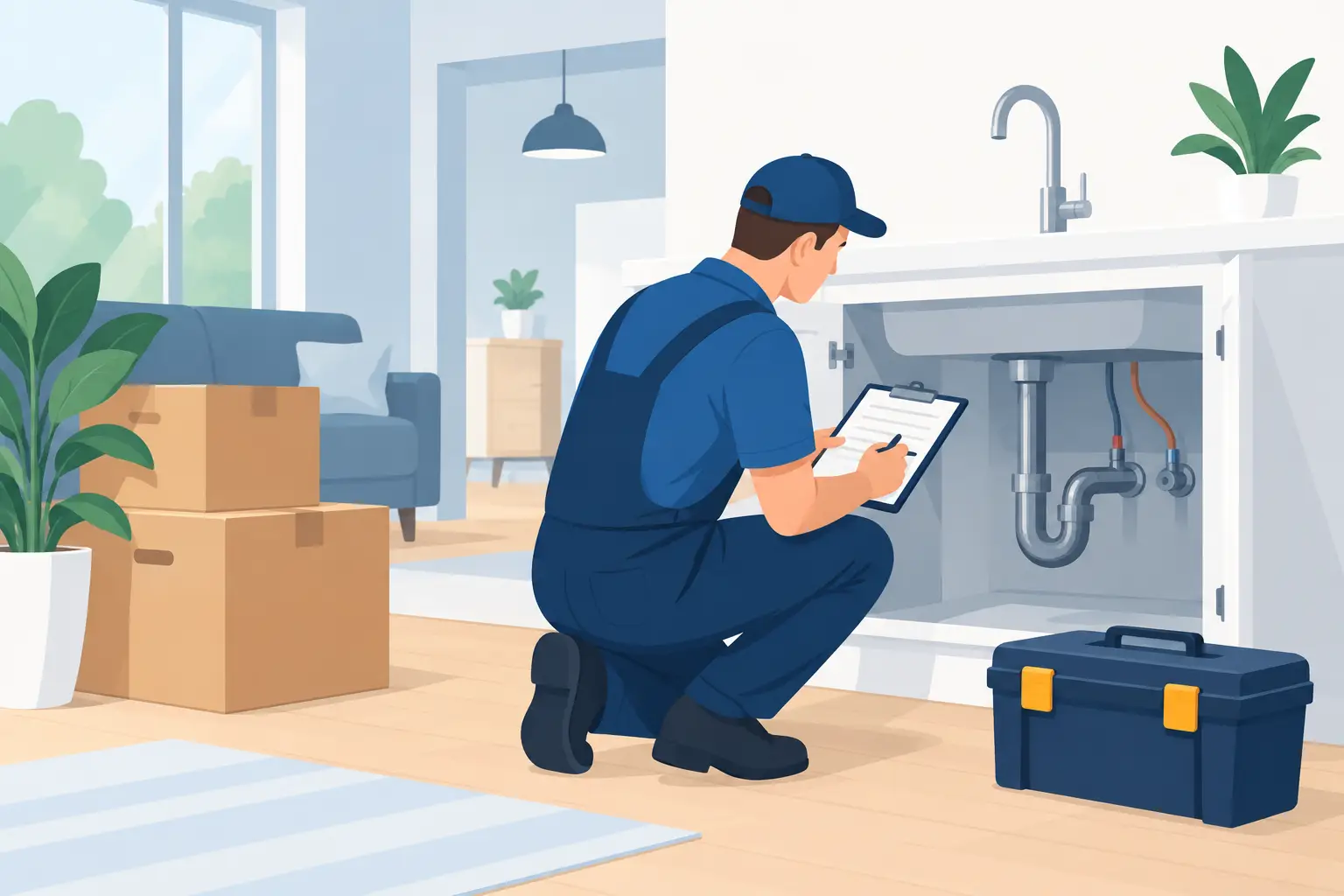
The first night in a new home is when plumbing problems tend to show themselves. A slow kitchen drain, a toilet that keeps running, or weak water pressure can turn an exciting move into an urgent repair job. Booking plumbing services after moving gives you a chance to identify small faults before they cause water damage, higher utility bills, or disruption to your routine.
Whether you have moved into an apartment, villa, office, shop, or café, do not assume the plumbing is ready just because the property looks clean. Fixtures may have been unused for weeks, previous occupants may have overlooked leaks, and shutoff valves may not work when you need them. A quick, organized inspection helps you settle in with fewer surprises.
Start With the Water Supply and Main Shutoff Valve
Before unpacking every box, find the main water shutoff valve for the property. In an apartment, it may be inside a utility cabinet, under a sink, or near the water meter. In a villa, it may be outside, near the tank, pump, or meter connection. Ask the building management or landlord if its location is unclear.
Knowing where this valve is matters if a pipe bursts or a flexible hose fails. Turn it carefully only if you are confident it is safe to do so. If the valve is stuck, corroded, or leaks when operated, arrange a plumber rather than forcing it. A working shutoff valve is one of the simplest protections against major water damage.
Next, turn on several faucets at once. Check whether hot and cold water arrive as expected and whether the pressure is consistent. Low pressure at one fixture may point to a blocked aerator or a local valve issue. Low pressure throughout the home can indicate a problem with the supply, water pump, pressure regulator, or building system.
Check Every Bathroom Before You Fully Settle In
Bathrooms have several connections in a small space, so a minor issue can become expensive quickly. Run the basin faucet, shower, bidet spray, and bathtub tap if there is one. Look under the sink and around the toilet base for moisture, stains, rust, or a musty smell.
Flush each toilet more than once. The bowl should refill normally, the tank should stop running, and there should be no water around the base. A continuously running toilet often needs an inexpensive internal repair, but leaving it unattended can waste a surprising amount of water.
Pay attention to drainage speed. Water that pools around your feet in the shower or drains slowly from the basin may be a sign of hair, soap buildup, or a deeper blockage. Do not rely on harsh chemical drain cleaners as a first response. They can damage certain pipes and may make professional work more difficult if the blockage remains. A plumber can clear the drain safely and check whether the problem is isolated or part of a wider drainage issue.
Look for Hidden Leaks
Not every leak creates a visible puddle. Open vanity cabinets and inspect pipe joints with a dry tissue. Check for warped cabinet panels, swollen wood, peeling laminate, or discoloration around wall and floor edges. These signs can point to an older leak that has not been properly repaired.
If you notice dampness near a shared wall, ceiling, or service shaft in an apartment building, report it promptly. The source could be inside your unit or in a neighboring property, and early reporting helps establish the condition of the home when you moved in.
Test the Kitchen Sink and Appliance Connections
The kitchen is another high-use area where a small plumbing issue creates daily frustration. Fill the sink partially, then release the water and watch how quickly it drains. Check the trap and supply lines under the cabinet for drips. If the sink has a garbage disposal, water filter, dishwasher, or washing machine connection, inspect each hose and valve carefully.
Flexible hoses deserve special attention. They can wear out over time, especially in properties where they have been bent, stretched, or exposed to heat. Replace cracked, rusty, or visibly damaged hoses before they fail. It is a modest repair compared with the cost of repairing cabinets, flooring, or belongings after a leak.
If your refrigerator has a water dispenser or ice maker, confirm that its supply line is installed correctly. Never push the appliance tightly against a hose. Leave enough room behind it to prevent kinking and make future inspections easier.
Inspect the Water Heater and Hot Water System
A cold shower on moving day is inconvenient. A faulty water heater can also be unsafe. Test hot water at a faucet after allowing the system enough time to heat. Check for unusual noises, rusty water, fluctuating temperatures, or water collecting near the heater.
In apartments, the water heater may be located in a bathroom ceiling space, utility area, or external service cupboard. In villas, it may be part of a larger tank and pump setup. Do not attempt electrical or gas-related repairs yourself. A qualified professional should inspect any heater that trips power, smells unusual, leaks, or fails to provide reliable hot water.
If the property has been vacant, sediment may have built up in the system. The right maintenance depends on the heater type, age, and manufacturer instructions. A professional can advise whether a basic service is enough or whether replacement is the safer long-term option.
Know When Plumbing Services After Moving Are Worth Booking
Some tasks are simple, such as cleaning a faucet aerator or tightening a loose drain cover. Others need a trained plumber because the risk of water damage is too high. Arrange professional help if you find recurring drain blockages, sewage odors, leaking pipes, poor pressure across the property, damaged shutoff valves, heater issues, or signs of moisture behind walls.
A preemptive inspection is particularly useful when moving into an older villa, a property that has been empty for some time, or a commercial space with multiple washrooms and kitchen equipment. For offices, cafés, and retail locations, plumbing downtime can affect staff, customers, and opening schedules. It is usually cheaper to fix problems before furniture, stock, and equipment are in place.
Quick Movers & Packers can coordinate plumbing support alongside moving, packing, painting, handyman work, and property preparation. Using one operational partner can save time when you need several jobs completed around the same move date. Ask for a clear scope of work and pricing before repairs begin, especially if the property is rented and landlord approval may be required.
Keep a Record of the Property Condition
Take clear photos or short videos of sinks, toilets, heaters, visible pipes, and any existing stains on the day you move in. If you are renting, send written notice to the landlord or property manager for issues that were present before you arrived. This creates a useful record and can prevent disagreements when you move out.
It also helps to keep invoices for any repair work completed after your move. If a plumber replaces a part, clears a blockage, or repairs a leak, you will know what was done and when. That information is valuable for future maintenance and for anyone responsible for the property.
A new address should feel like a fresh start, not a countdown to the next repair. Check the water systems early, address warning signs without delay, and give your home the reliable plumbing foundation it needs from day one.